Box-type high-temperature furnace
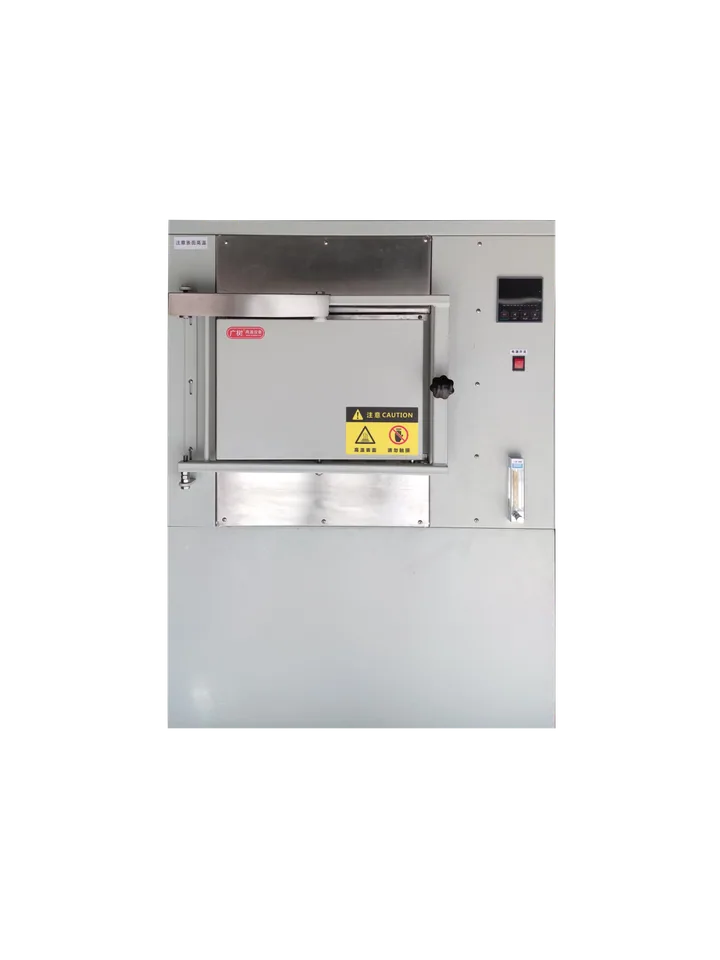
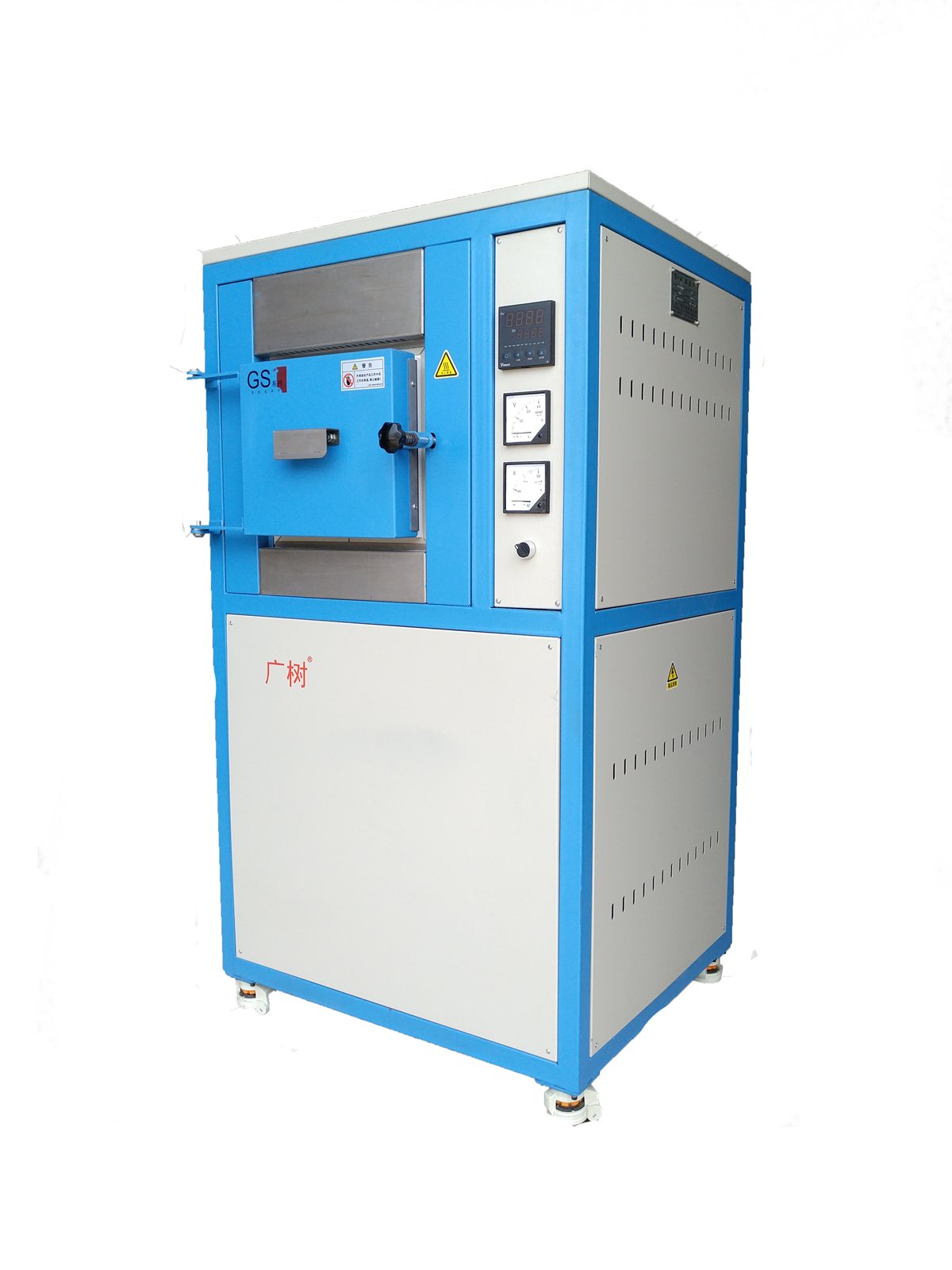
A box chamber gives the largest loading volume, suiting blocky, stacked or multi-tier rack loading. Compared with a tube furnace it gives up some atmosphere control in exchange for load capacity and ease of handling.
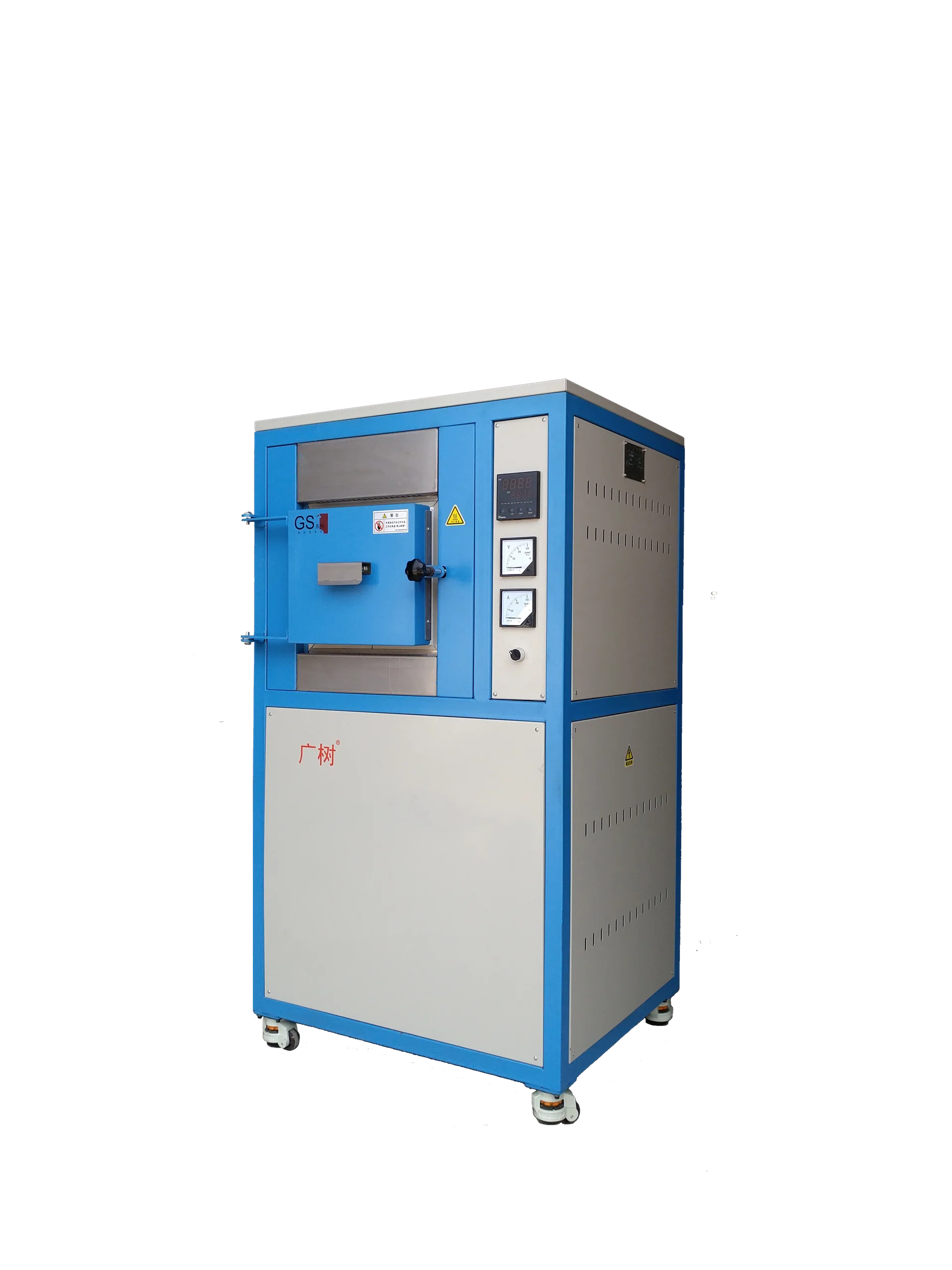
Also called box furnace · high-temperature box furnace · calciner
Other configurations of this type
The same furnace type is built differently depending on loading and door arrangement. These are configurations we have delivered; captions describe what was verified in the photo, not what a filename suggests.
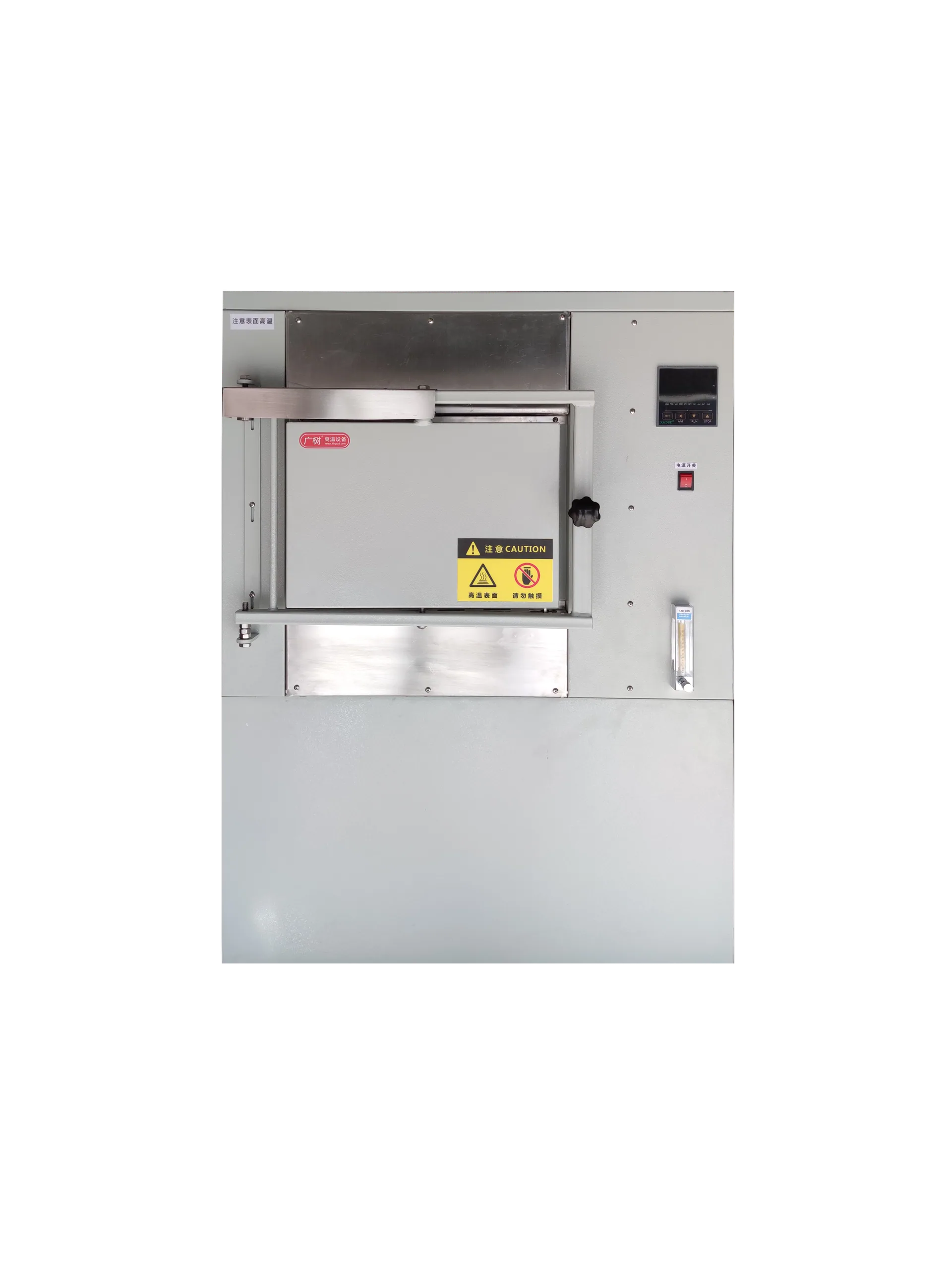
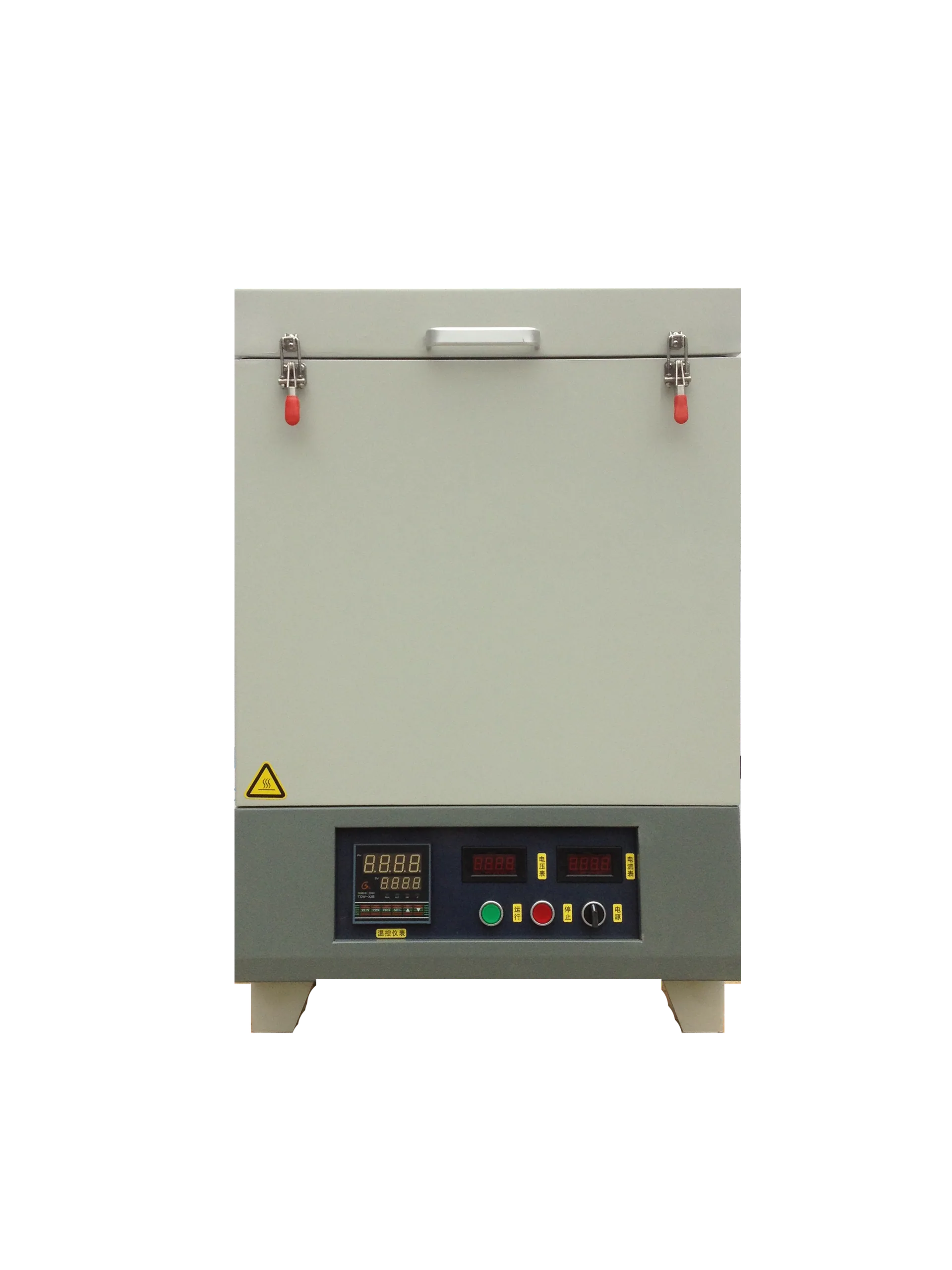
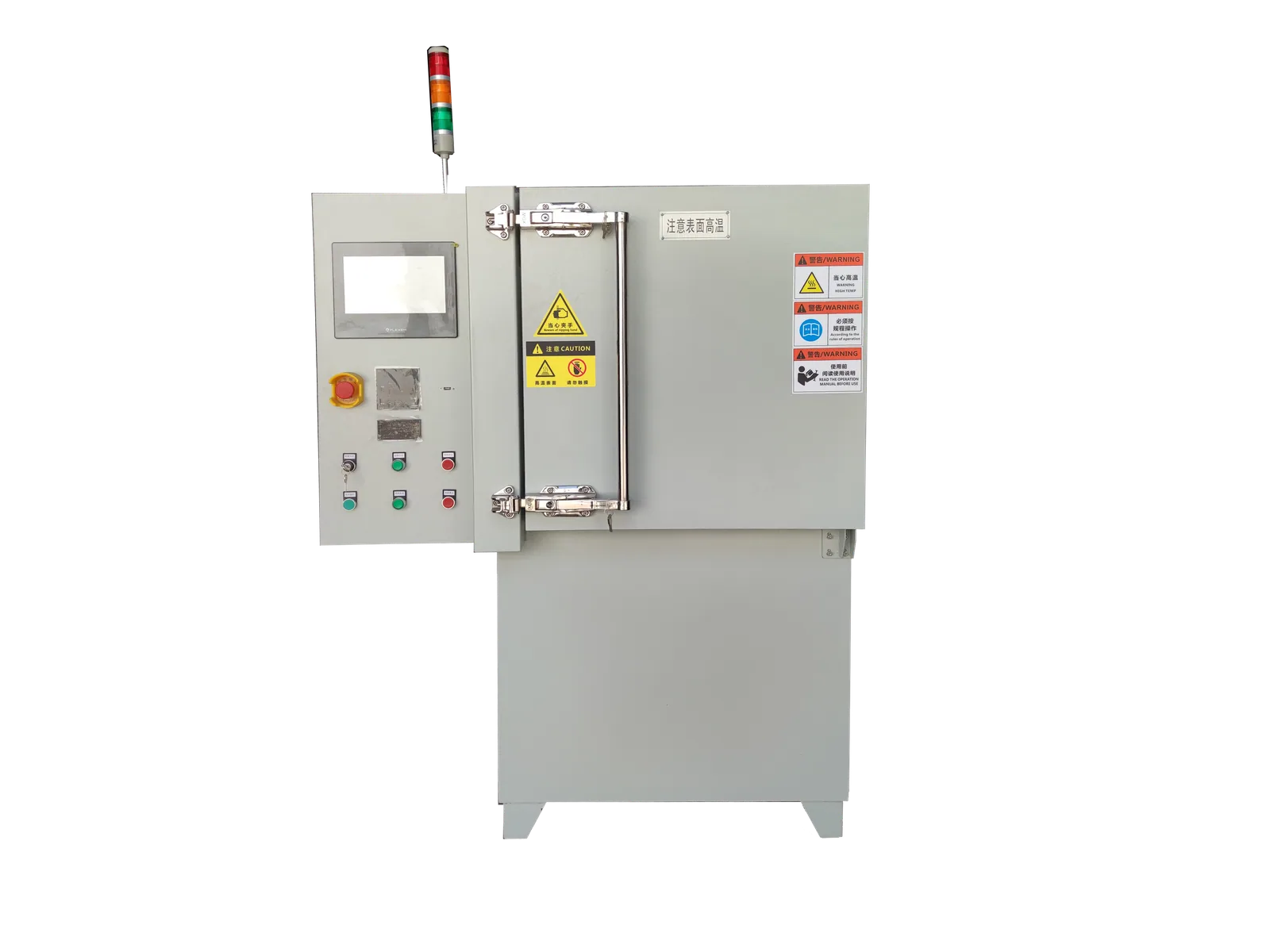
Three things that decide the specification
Each of these changes the final configuration — this is not general boilerplate.
Usable volume is not the chamber envelope
The volume from the chamber walls is the envelope; what you can use is the constant-temperature zone. Loading must stay inside it, or parts at the edge and centre come out different — the most common quality trap in batch processing.
Door type affects heat loss and operator safety
A top-opening door suits crane loading and saves floor space but vents hot air toward the operator; a side-opening door with clamps loses less heat but needs clear space in front. Decide by how you load and by aisle width, not by looks.
Four-side heating is more even but draws more power
Elements on four sides (top, bottom, left, right) give a more even field but need higher installed power for the same volume and thicker insulation. Where uniformity is not critical, two-sided heating is more economical.
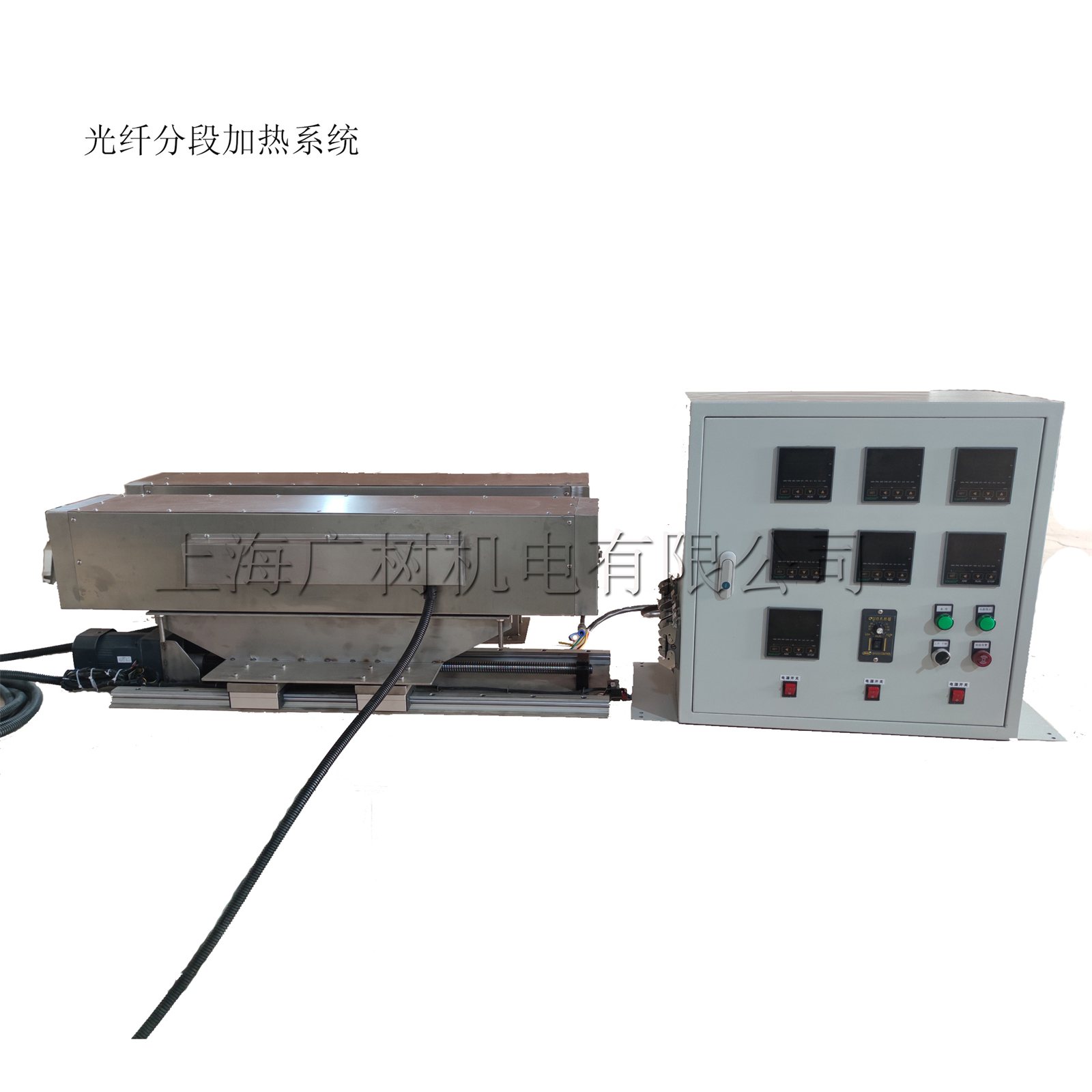
Delivered box-type high-temperature furnace systems
Open any system for its full specification and provenance.
Frequently asked
Can the cooling rate of a box furnace be controlled?
Yes, but thermal inertia sets the limit. A large chamber cools slowly by physics; a stated maximum cooling rate usually applies to the high band (above 700 °C, say) and slows markedly at low temperature. If the process needs a constant rate across the whole range, say so up front.
Is a calciner the same as a box furnace?
Calcining usually means driving decomposition or phase change at 600–1000 °C, and it imposes atmosphere and exhaust requirements because the decomposition products must be removed. "Box" describes the form factor. For calcining duty, state the off-gas volume and corrosiveness or chamber and exhaust materials will be wrong.
Tell us your process conditions
Temperature, atmosphere, material and part size are enough for us to suggest a furnace type and draft a proposal.