Melting & crucible furnace
A melting furnace handles a liquid phase, so its design logic differs completely from a solid-state heat treatment furnace: crucible life, melt temperature control, the pouring mechanism and heat loss each drive cycle time directly.
Also called aluminium melting furnace · crucible furnace · tilting furnace
Three things that decide the specification
Each of these changes the final configuration — this is not general boilerplate.
Working temperature follows the melt, not the element rating
For aluminium melting, the recommended working temperature is ≤900 °C, set by the crucible and the melt rather than by what the element can survive. Running at the element rating shortens crucible life sharply.
The tilting mechanism decides safety and oxidation loss
A manual handwheel suits small capacities (5 kg class). Motorised or hydraulic tilting is for 50 kg and up, and controllable tilt speed is what limits oxide loss from a churning melt. Spout position and angle must match mould height.
The crucible is consumable — cost it per heat
A graphite crucible thins under repeated thermal shock and melt erosion. A chamber design that heats it evenly and avoids hot spots extends life noticeably; compare crucible cost per tonne of melt, not crucible price.
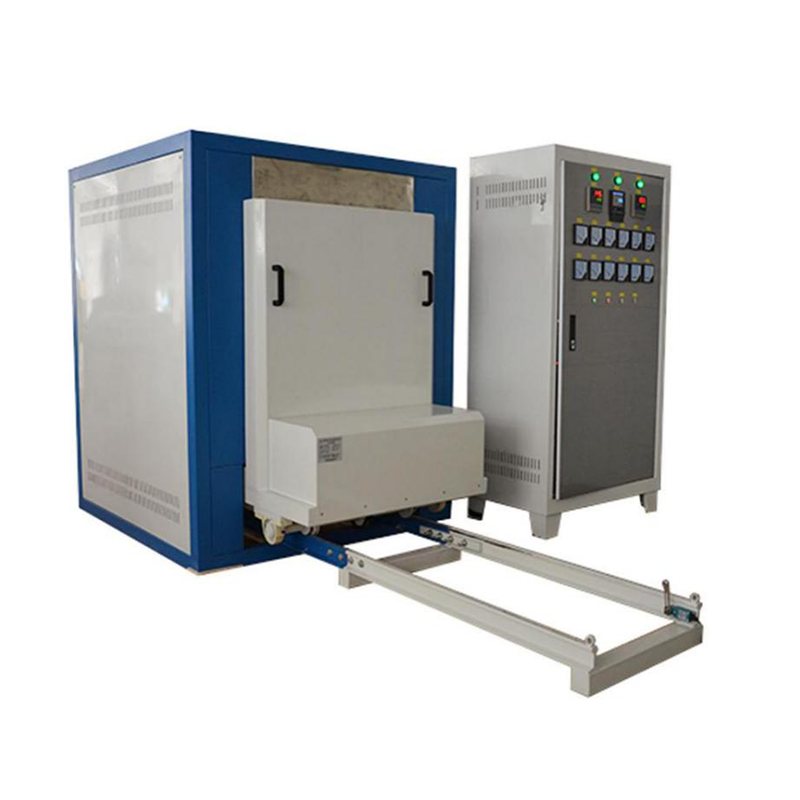
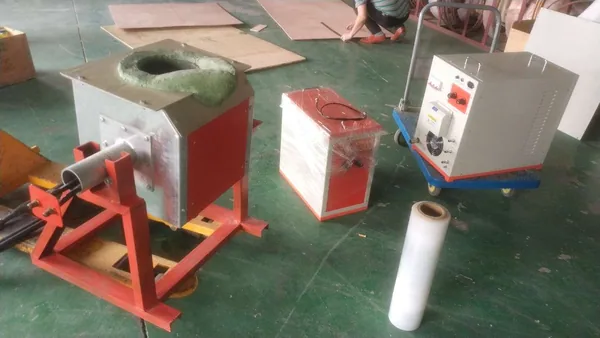
Delivered melting & crucible furnace systems
Open any system for its full specification and provenance.
Frequently asked
Can an aluminium melting furnace handle other metals?
It depends on melting point and crucible attack. Aluminium (660 °C) and zinc (420 °C) work with graphite crucibles; copper (1085 °C) needs a higher-temperature furnace and a different crucible material; magnesium is flammable and needs dedicated atmosphere and fire suppression, not an aluminium furnace. Re-evaluate the crucible and safety measures before switching metals.
Tell us your process conditions
Temperature, atmosphere, material and part size are enough for us to suggest a furnace type and draft a proposal.