Annealing furnace
An annealing furnace succeeds or fails on the cooling curve, not the ramp up. Above a certain temperature glass and ceramics remain plastic; cooling too fast leaves residual stress that shows up later as refractive index drift, figure change or cracking. Guangshu annealing furnaces control cooling in programmed segments rather than letting the load cool naturally.
Also called precision annealing furnace · optical glass annealing furnace · stress-relief furnace
Three things that decide the specification
Each of these changes the final configuration — this is not general boilerplate.
Cap the cooling rate — faster is not cheaper
Above the annealing point, the cooling rate directly determines residual stress in optical glass. Our moulded aspheric lens annealers control the cooling curve in segments, with an adjustable rate above 350 °C rather than uncontrolled natural cooling.
Uniformity decides yield, not convenience
For annealing, poor uniformity is yield loss: lenses at different positions in the same batch anneal differently. This is exactly what the equipment is bought for, and ±3 °C is the usual requirement.
A stainless liner with forced circulation cuts drift
A multi-layer 310S stainless liner with an internal high-temperature circulation fan evens out heat far better than radiant heating alone, reducing drift. Pull-out shelves let each load carry more parts, cutting cost per piece.
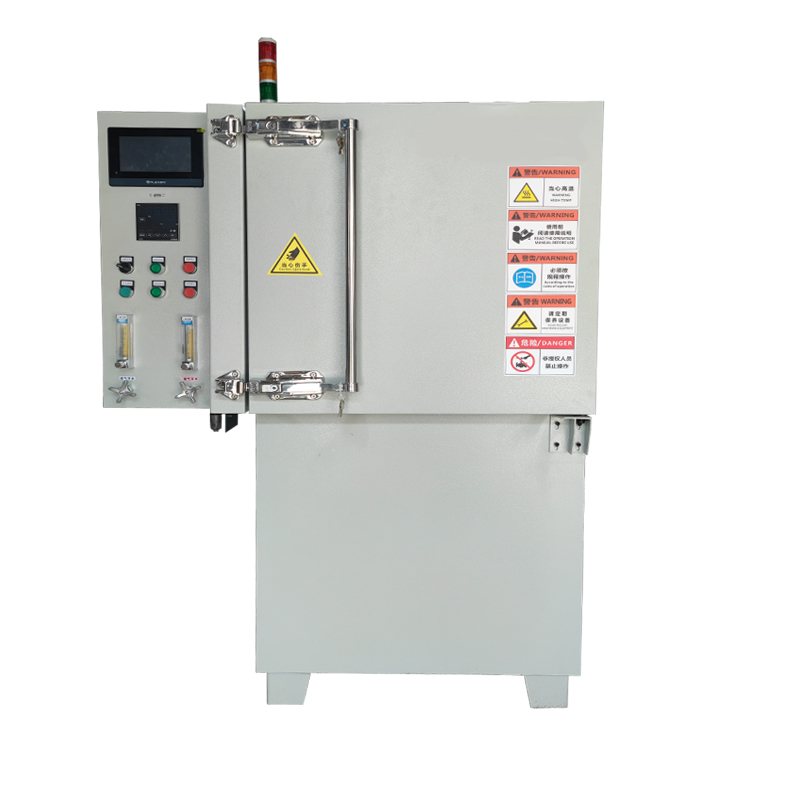
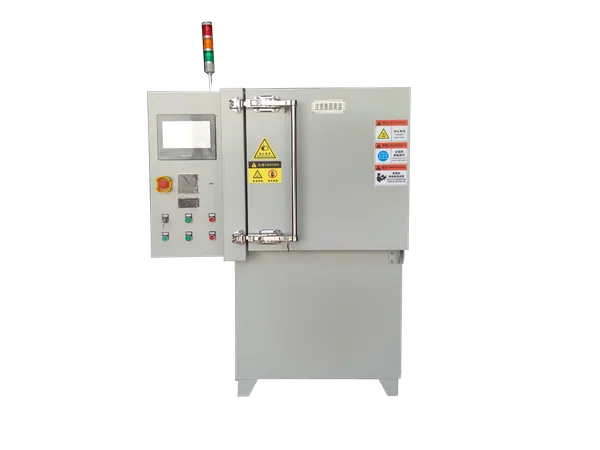
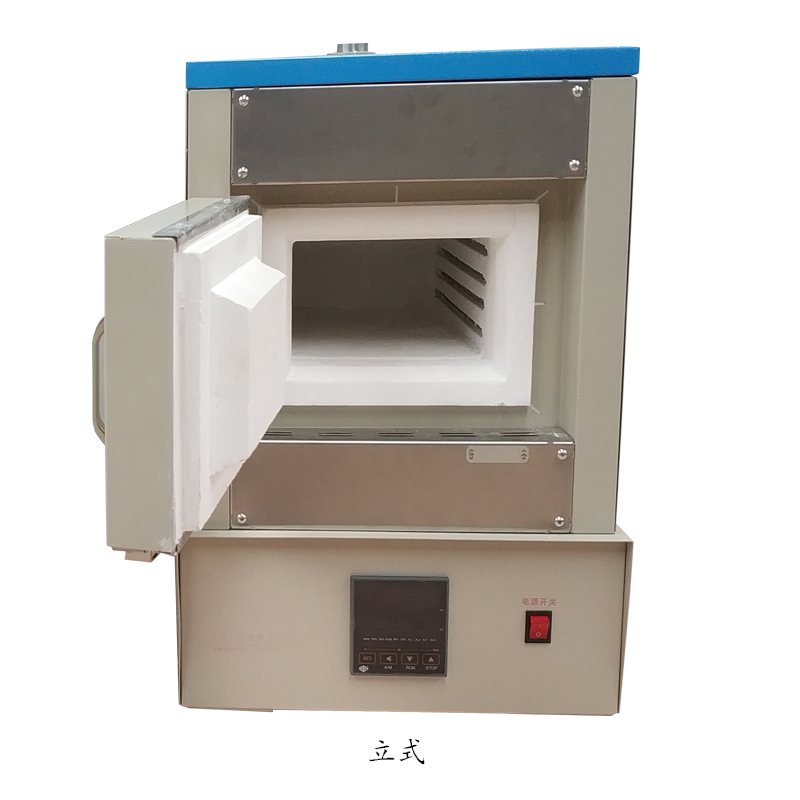
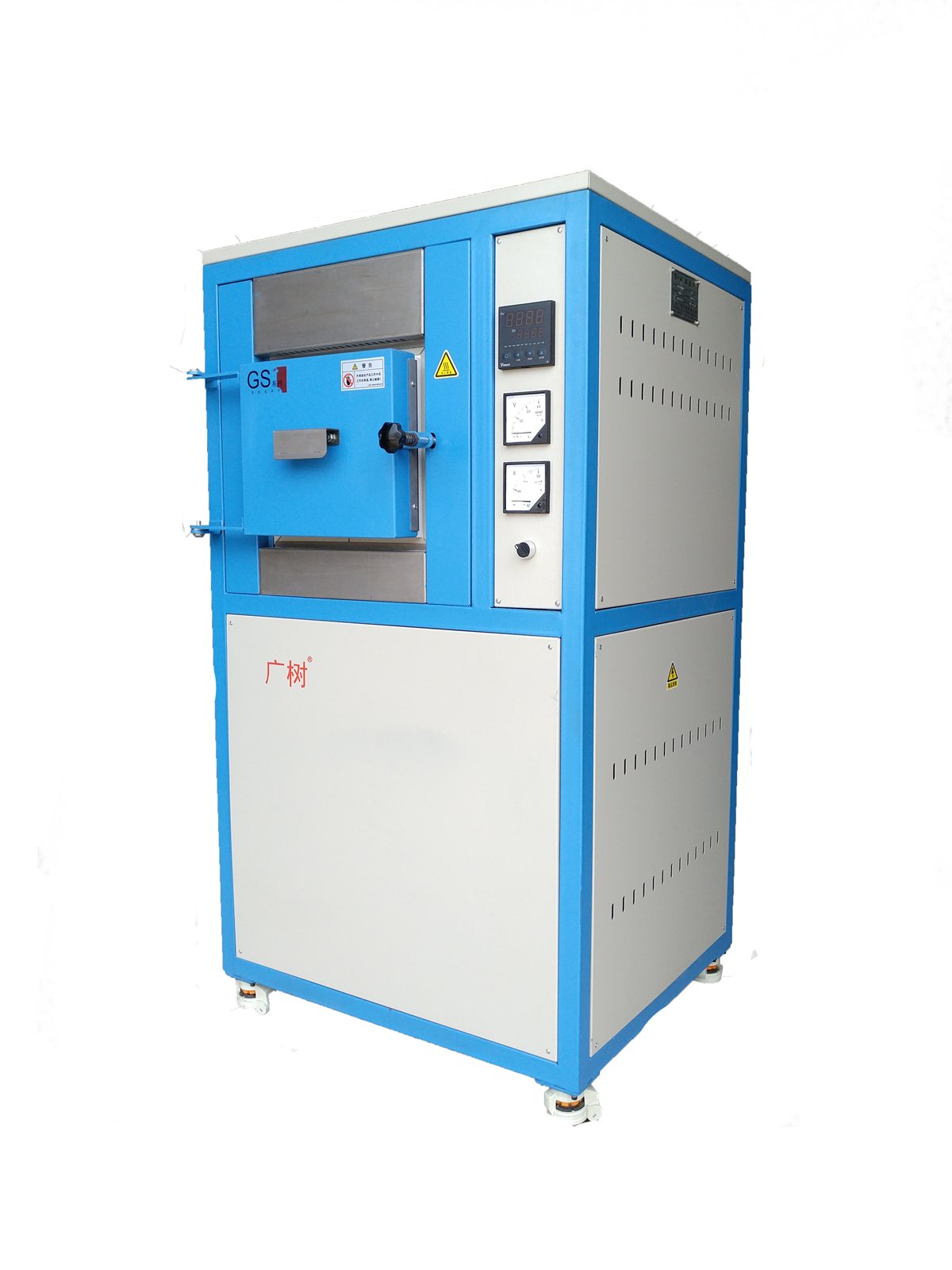
Delivered annealing furnace systems
Open any system for its full specification and provenance.
Frequently asked
What uniformity can an annealing furnace achieve?
In delivered projects, precision annealing units reach ±3 °C by 9-point measurement in an empty chamber. Whether it is achievable depends on chamber size, temperature band and loading — larger loads and taller chambers make it harder. We do not promise figures we cannot meet and will say so during the proposal stage.
Why not simply let the load cool naturally?
Natural cooling is non-linear: it is often too fast exactly through the critical stress-relief band, then wastes time at low temperature. Segmented control keeps the critical band slow enough and speeds up afterwards, balancing quality and cycle time.
Other furnace types
Tell us your process conditions
Temperature, atmosphere, material and part size are enough for us to suggest a furnace type and draft a proposal.