Plastics extrusion & die maintenance
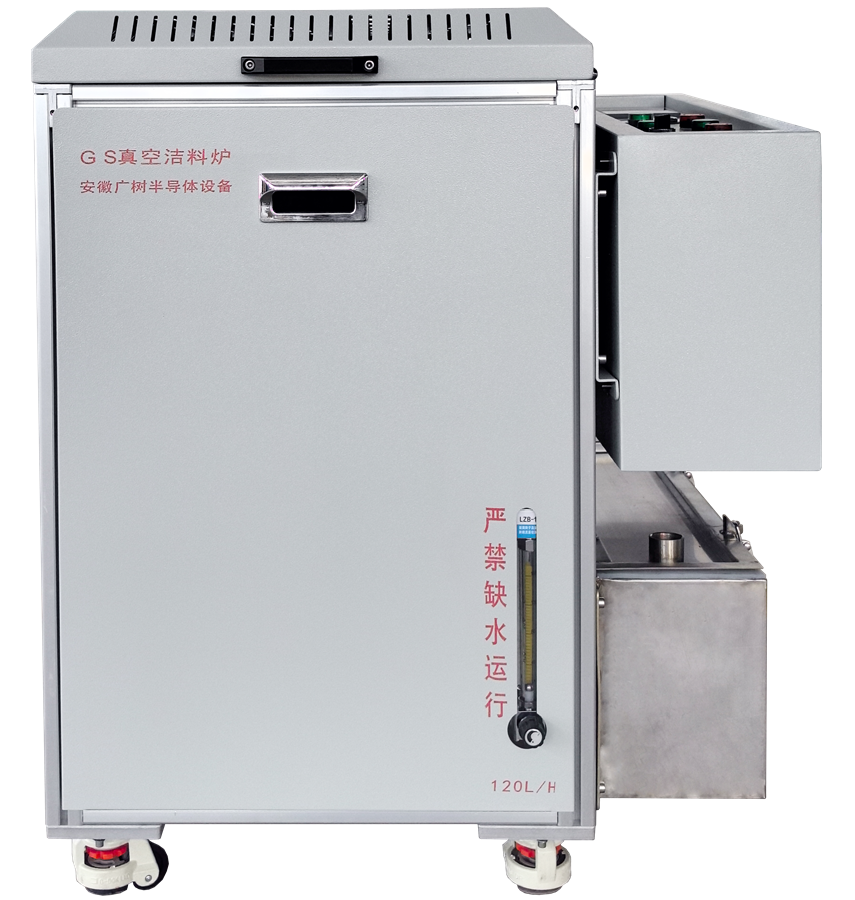
Guangshu has delivered the GSQ-2-600Y automatic vacuum pyrolysis cleaning furnace for extrusion dies. On an extrusion line, cleaning dies and screws is often the largest single component of downtime. Vacuum pyrolysis drives off the polymer at temperature instead of soaking in chemicals — no wastewater, no damage to the die surface, and no reagent cost or disposal paperwork.
Also called extrusion die cleaning furnace · vacuum pyrolysis cleaning furnace · screw cleaning · chemical-free cleaning
Three things this industry actually demands
Each of these changes the final configuration — this is not industry boilerplate.
Hot enough to decompose the polymer, cool enough not to harm the die
Polymers decompose at very different temperatures — PVC and PA are not the same problem. Cleaning temperature has to be set against the material you actually run; too hot and you affect the temper and surface hardness of the die steel.
The vacuum is there to pull the decomposition products away
Under vacuum the decomposition products boil off more readily and are drawn out, while oxidation and coking in air are avoided. That is the difference between vacuum cleaning and simply burning the residue off.
Cycle time and load capacity decide the size you need
Size the chamber from your die changes per day and the dimensions and count of the dies and screws. Too small and cleaning becomes a queue; too large and you waste energy. This choice affects your return far more than control accuracy does.
Furnace types used in this industry
Type pages explain how the equipment is built; this page explains what your process needs. Read them together.
Systems delivered into plastics extrusion & die maintenance
Open any system for its full specification and provenance.
Frequently asked
How does vacuum pyrolysis compare with chemical or caustic cleaning?
No reagents, no wastewater or disposal paperwork, and no damage to the die surface or threads. The trade-off is a higher capital cost. On lines where the dies are valuable and downtime is expensive, it usually pays back within months.
Tell us your process conditions
Temperature, atmosphere, material and part size are enough for us to suggest a furnace type and draft a proposal.