Lithium battery & new-energy materials
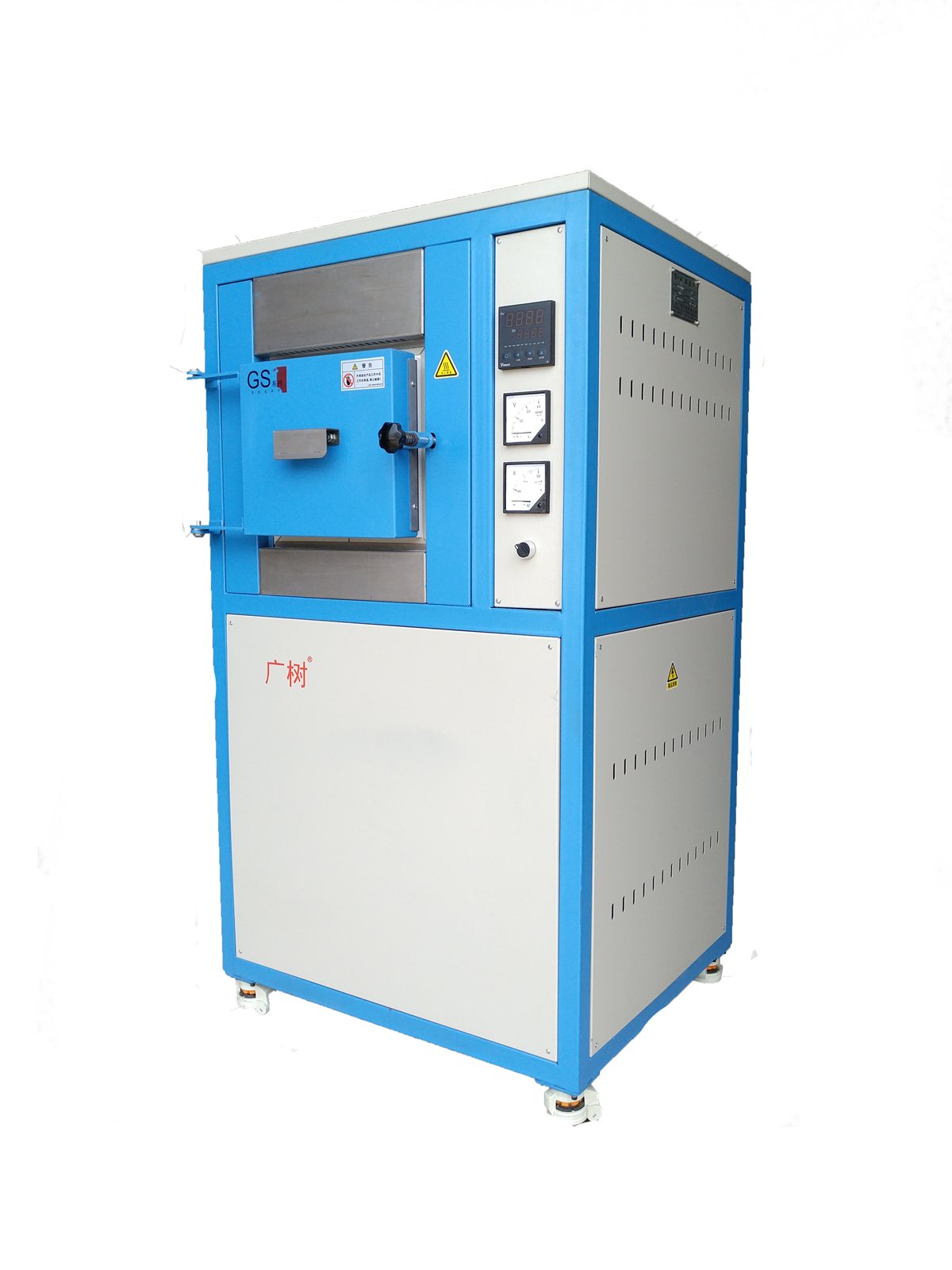
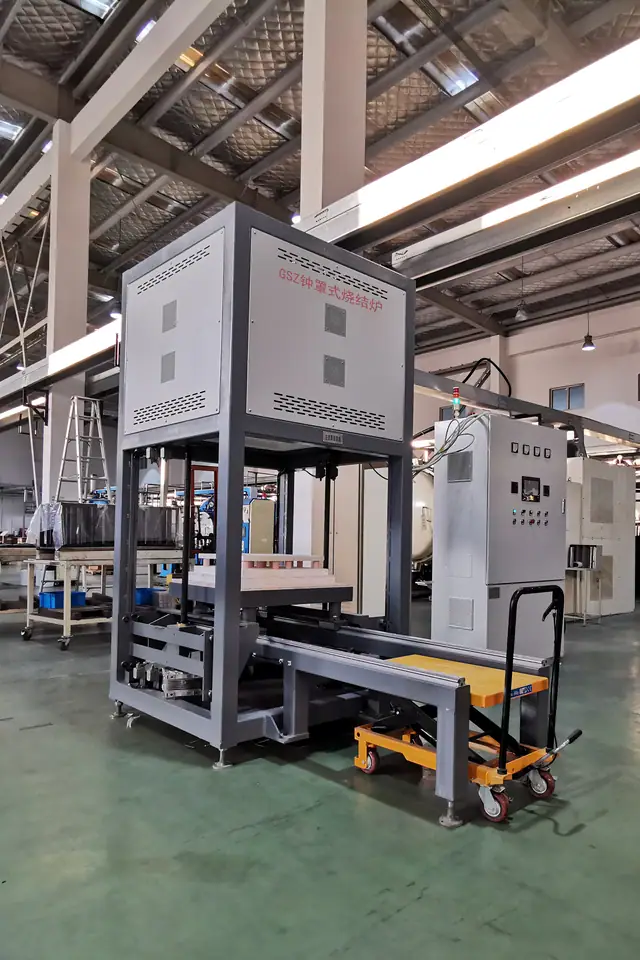
Guangshu has delivered an Al₂O₃-lined 800 °C lithium iron phosphate sintering furnace and the GSZ-75-1000 batch rotary furnace. Battery materials are processed in large volumes at low unit value, so energy per kilogram and chamber utilisation matter far more than headline specifications. At the same time the material is extremely sensitive to metallic contamination, which makes the choice of chamber lining a hard constraint.
Also called lithium iron phosphate sintering furnace · cathode material sintering furnace · rotary calcination furnace · battery material calcination
Three things this industry actually demands
Each of these changes the final configuration — this is not industry boilerplate.
The lining decides product purity
Cathode materials are highly sensitive to iron and chromium contamination — even trace amounts affect electrochemical performance. These furnaces therefore use alumina linings or isolation designs rather than a bare metal chamber.
Temperature is low; throughput and energy are the real battleground
Lithium iron phosphate typically sinters between 700 and 800 °C. The competitive ground is load capacity, heat-up speed and energy consumed during the hold — these set the processing cost per kilogram.
Rotary versus box: continuity against atmosphere uniformity
A rotary furnace tumbles the powder for even treatment and suits large batches of powder, but demands more of sealing and atmosphere control. A box furnace is easier to control atmospherically and suits materials that are atmosphere-sensitive or need a precise profile.
Furnace types used in this industry
Type pages explain how the equipment is built; this page explains what your process needs. Read them together.
Systems delivered into lithium battery & new-energy materials
Open any system for its full specification and provenance.
Frequently asked
Can you sinter battery materials under a protective atmosphere?
Yes. The GSZ-75-1000 batch rotary furnace and the GSQ atmosphere series both operate under controlled atmosphere. The specific gas, purity and flow rate are confirmed per proposal against your material system and throughput.
Tell us your process conditions
Temperature, atmosphere, material and part size are enough for us to suggest a furnace type and draft a proposal.