Vacuum & atmosphere furnace
Heat treatment, brazing, sintering and debinding under vacuum or controlled atmosphere. The key figures here are not temperature but ultimate vacuum and atmosphere retention — an overshooting temperature can be tuned, a leaking chamber cannot do any of these processes.
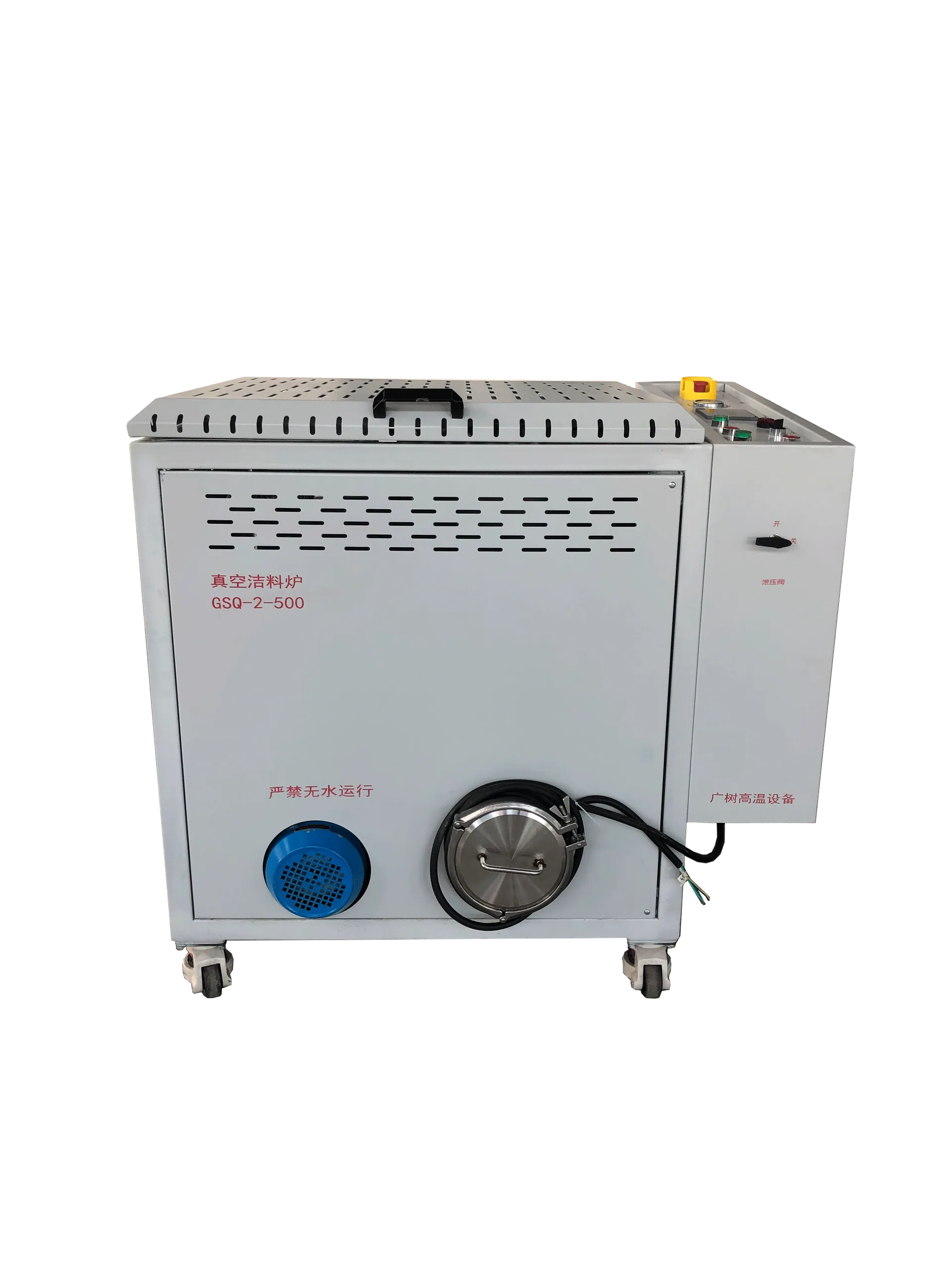
Also called vacuum furnace · atmosphere furnace · vacuum brazing furnace · high-vacuum heat treatment furnace
Three things that decide the specification
Each of these changes the final configuration — this is not general boilerplate.
Ask what conditions an ultimate-vacuum figure was taken under
Only the ultimate vacuum of an empty, cold, purged chamber reflects the equipment itself. Figures taken with a workload, with oil contamination or without bake-out mean nothing. We state all three preconditions with the rating.
Three things to check when vacuum falls short
The three usual causes, in order: high outgassing from chamber materials (wrong selection or insufficient bake-out), contaminated sealing faces, and oils or volatiles on the workload. Working through them in that order beats swapping pumps.
Ultimate vacuum and working vacuum are different figures
Reaching 10⁻³ Pa does not mean a process can run at 10⁻³ Pa; outgassing from the load typically degrades working vacuum by one to two orders of magnitude. Size the pump set on working vacuum under load, not on the empty-chamber ultimate figure.
Delivered vacuum & atmosphere furnace systems
Open any system for its full specification and provenance.
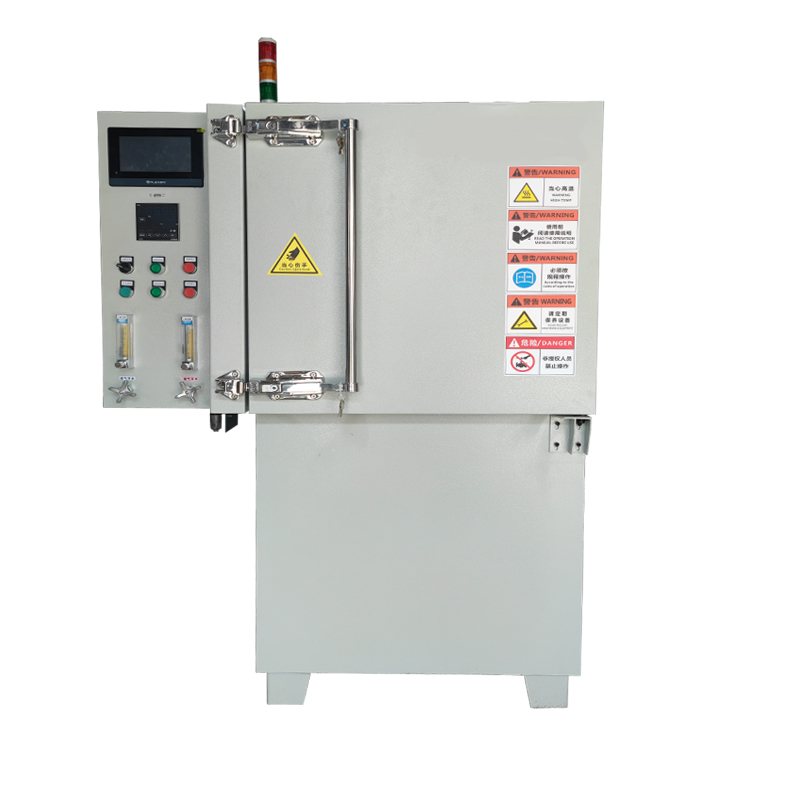
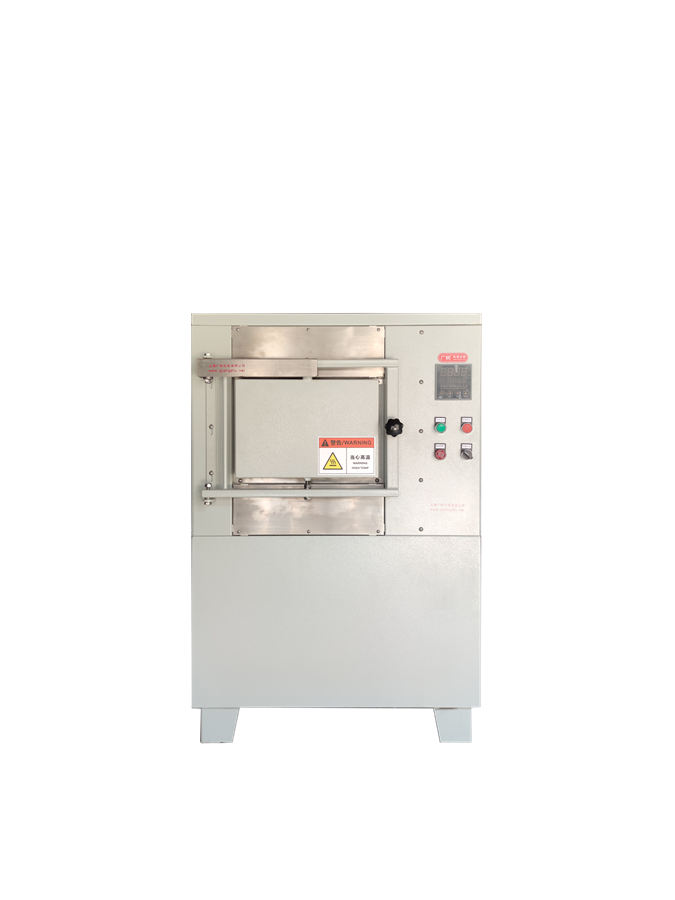
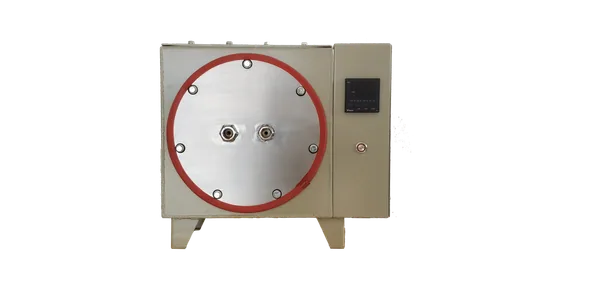
Frequently asked
How many pump stages does a vacuum furnace need?
The usual arrangement is a mechanical backing pump plus a turbomolecular pump. On GSG-Q-1200, for example: a ≥2 L/s mechanical pump pulls from atmosphere to backing pressure, then a ≥600 L/s turbo takes it to high vacuum, with a pump-set ultimate below 9×10⁻⁴ Pa. Whether you need more depends on the process and the outgassing load.
Can one unit serve both atmosphere and vacuum duty?
Yes — most atmosphere furnaces can evacuate to purge the chamber. Two caveats: atmosphere furnaces are usually sealed to a lower standard than dedicated vacuum furnaces, and introducing flammable gases such as hydrogen requires dedicated purge and explosion-prevention procedures, not the inert-gas routine.
Tell us your process conditions
Temperature, atmosphere, material and part size are enough for us to suggest a furnace type and draft a proposal.