Powder metallurgy & metal injection moulding
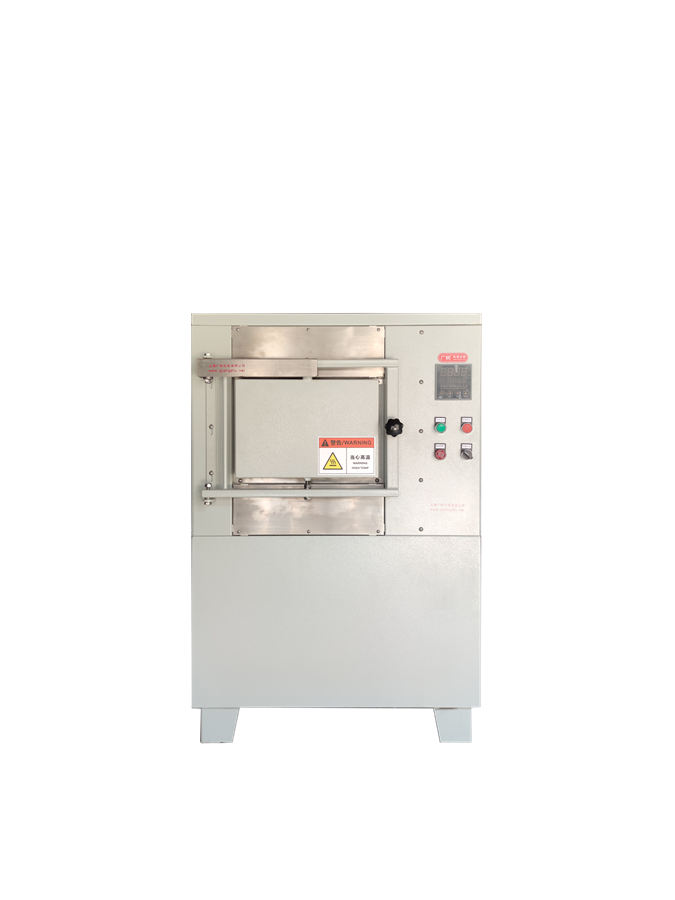
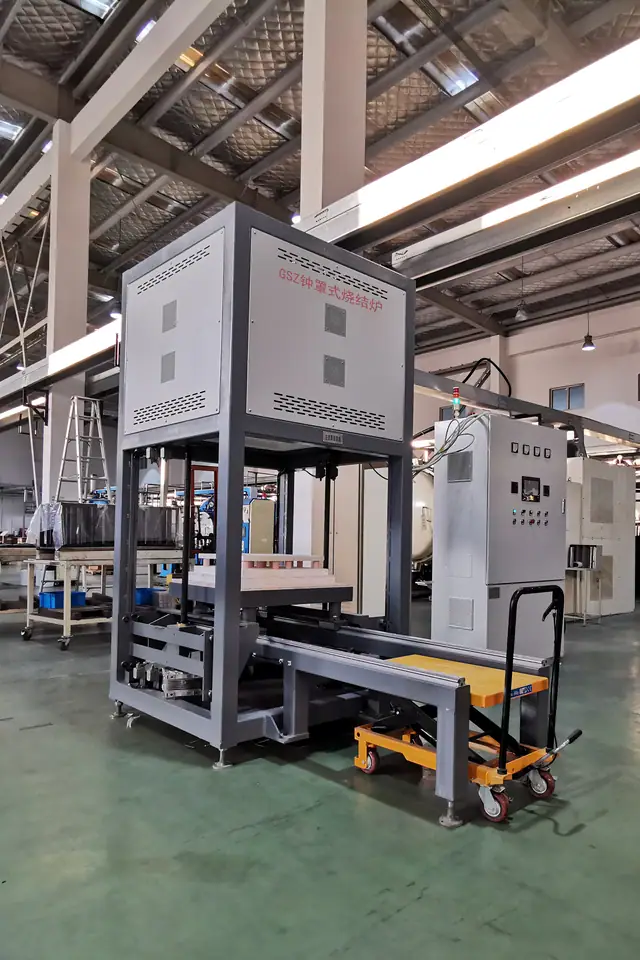
Guangshu has delivered a debinding and sintering furnace and the GSF-12-1700 bell-type sintering furnace. The powder-metallurgy and MIM chain runs shape → debind → sinter. The organics released during debinding must be carried away effectively, or they become residual carbon and defects during sintering — this is the requirement that makes this industry special.
Also called debinding and sintering furnace · MIM sintering furnace · powder metallurgy sintering furnace · debinding sintering combined furnace
Three things this industry actually demands
Each of these changes the final configuration — this is not industry boilerplate.
The debinding stage needs its own atmosphere and exhaust design
If binder decomposition products cannot leave cleanly they re-deposit on the chamber and the parts. When debinding and sintering share one chamber, zoned temperature control and directed exhaust are not optional — without them yield suffers badly.
Sintering temperatures are modest; the demands on hold and atmosphere are not
Many powder-metallurgy parts sinter between 1200 and 1400 °C — nowhere near a furnace's limit. The difficulty is stability over long holds, atmosphere purity, and a chamber material that will not react with the load.
Chamber material must match your material system
Alumina, silicon carbide, graphite and molybdenum shielding each react with different material systems. Running alumina fibre long-term in a carbon-bearing atmosphere, for example, compromises both life and cleanliness. This has to be settled at proposal stage.
Furnace types used in this industry
Type pages explain how the equipment is built; this page explains what your process needs. Read them together.
Systems delivered into powder metallurgy & metal injection moulding
Open any system for its full specification and provenance.
Frequently asked
Can debinding and sintering be done in a single furnace?
Yes, but it requires zoned temperature control and a directed exhaust design. Two separate furnaces give more stable results and more flexible scheduling at the cost of energy and floor space. We have delivered both arrangements; which fits depends on your volume and part characteristics.
Tell us your process conditions
Temperature, atmosphere, material and part size are enough for us to suggest a furnace type and draft a proposal.