Metal heat treatment & carburising
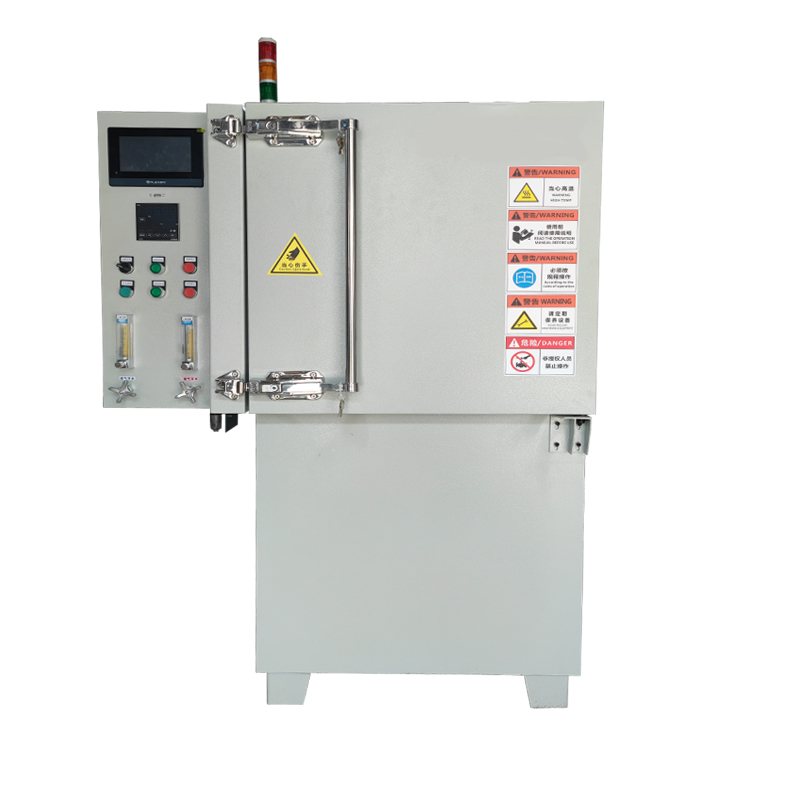
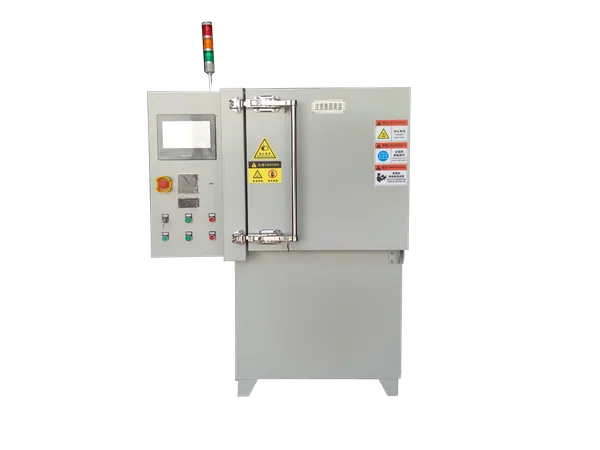
Guangshu has delivered a high-precision lift-type carburising pit furnace, the GS-T-1100S high-temperature heat treatment furnace and the GSZM1300-60-533 high-vacuum heat treatment furnace. In metal heat treatment, atmosphere and vacuum level usually decide the outcome more than temperature does: identical temperature and profile, oxidised or not, give you two different parts.
Also called carburising furnace · pit-type heat treatment furnace · vacuum heat treatment furnace · quenching and tempering furnace
Three things this industry actually demands
Each of these changes the final configuration — this is not industry boilerplate.
Settle the atmosphere before the temperature
Carburising needs controlled carbon potential; vacuum heat treatment must avoid oxidation and decarburisation; ordinary quench-and-temper only needs to avoid decarburisation. These three require completely different vessel construction, sealing class and control systems, and can differ in price by more than double. State the process intent first, then the temperature.
Load and fixturing define the effective working zone
The same furnace produces entirely different real profiles at 50 kg and at 200 kg. The proposal has to be calculated against your load weight and fixturing, or acceptance testing will not agree with the specification.
In vacuum furnaces the figure that matters is retention, not the ultimate value
A flattering ultimate vacuum is easy to achieve; holding it while the load outgasses is the real capability. The question to ask is what the vacuum level is after loading and during the ramp.
Furnace types used in this industry
Type pages explain how the equipment is built; this page explains what your process needs. Read them together.
Systems delivered into metal heat treatment & carburising
Open any system for its full specification and provenance.
Frequently asked
Carburising furnace or vacuum heat treatment furnace — how do I choose?
It depends on intent. If the surface chemistry must change — carburising, carbonitriding — you need a controlled-atmosphere furnace. If only structure and properties must change while the surface stays oxide-free, vacuum is the better route. They are not substitutes for one another.
Can you do vacuum heat treatment above 1300 °C?
The highest vacuum heat treatment model we have delivered and verified is the GSZM1300-60-533 at 1300 °C. Higher temperatures depend on the specific workpiece and insulation scheme and are confirmed per proposal rather than promised in advance.
Tell us your process conditions
Temperature, atmosphere, material and part size are enough for us to suggest a furnace type and draft a proposal.